Why declining bone density after 35 can go unnoticed and what women should know
Bone loss in women after 35 often begins silently, experts warn
- By Gurmehar --
- Friday, 24 Apr, 2026
Bone health is something many women do not think about in their 30s. There is usually no pain, no visible change, and no clear warning sign. Life feels normal, so bone strength rarely becomes a concern. However, doctors say that changes in bone density begin much earlier than most people realise, often starting after the age of 35.
This gradual bone loss happens quietly inside the body. Over time, bones slowly become weaker as the rate of bone breakdown becomes higher than the rate of new bone formation. Because the process is slow, many women do not notice it until a fracture or other complication occurs later in life.
According to Dr Lalit Nemichand Bafna, Consultant Orthopaedic Surgeon at Manipal Hospitals, Dwarka, bone loss at this stage is usually silent. Many women feel healthy, but their bone strength may already be reducing without any obvious signs.
Why bone loss starts earlier in women
Bone health in women is closely linked to hormones, especially estrogen. Even before menopause, estrogen levels start to slowly decline. Since estrogen plays an important role in maintaining bone strength, even small changes can affect bone density over time.
This makes women more vulnerable to bone loss compared to men. The process does not happen suddenly but builds up gradually over several years.
Lifestyle habits also play a major role. Low intake of calcium and vitamin D is one of the most common reasons for weaker bones. These nutrients are essential for maintaining bone strength and structure. Without enough of them, bones become thinner and less dense.
A sedentary lifestyle can also speed up bone loss. Lack of physical activity means bones are not regularly strengthened through movement and weight-bearing exercises. This can gradually reduce bone density over time.
Dr Bafna also explains that pregnancy and breastfeeding may temporarily reduce calcium levels in the body. If nutritional needs are not properly met during this time, it may further impact bone health.
ALSO READ: Iranian tanker returns home after crude delivery as US-Iran tensions remain high
ALSO READ: Iran calls Pakistan PM after US seizes cargo ship near Hormuz amid rising tensions
Early signs that are often ignored
Bone loss does not usually show clear symptoms in the beginning. This is why it is often called a silent condition. However, there are small signs that may appear over time but are frequently ignored.
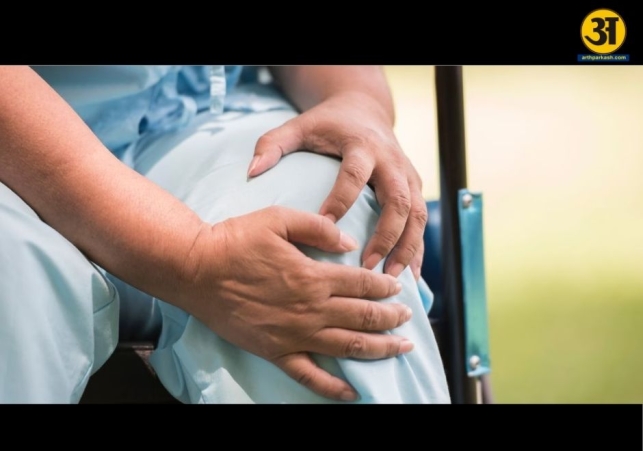
These include minor fractures after small falls, a gradual decrease in height, changes in posture, and ongoing lower back pain. While each of these symptoms may seem minor on their own, together they can indicate weakening bones.
Many women assume these changes are part of normal ageing or daily stress. Because the symptoms are mild at first, they are often overlooked until the condition becomes more serious.
Dr Bafna notes that ignoring these early signs can increase the risk of more serious fractures later in life, especially in areas like the hip, spine, and wrist.
Understanding osteoporosis and its impact
Osteoporosis is a condition where bones become weak and brittle. It develops slowly over time and often goes unnoticed until a fracture occurs.
When bones lose density, they become more fragile and are more likely to break even with minor injuries or falls. This can significantly affect mobility and quality of life, especially in older age.
According to experts, osteoporosis is not something that appears suddenly. It is the result of long-term bone loss that begins much earlier in life, often without symptoms.
How bone health can be checked and protected
One of the most effective ways to understand bone health is through a bone density test, also known as a DEXA scan. This test measures the amount of minerals in the bones and helps doctors assess bone strength.
Early screening can help detect bone loss before it leads to serious problems. If identified early, steps can be taken to slow down or manage the condition effectively.
Doctors recommend maintaining a healthy lifestyle to support bone strength. This includes eating calcium-rich foods, getting enough vitamin D, and staying physically active. Weight-bearing exercises such as walking, jogging, or strength training can help keep bones strong.
A balanced diet and regular movement are important for long-term bone health. In some cases, doctors may also recommend supplements if nutritional intake is not sufficient.
Why early awareness matters
Bone loss after 35 does not come with obvious warning signs. It develops slowly and silently, which is why many women only become aware of it much later in life.
However, early awareness can make a major difference. Paying attention to bone health in the 30s and 40s can help reduce the risk of fractures and long-term complications later.
Experts stress that strong bones are not built in old age. They are maintained through consistent care much earlier in life. Taking small steps today can help protect mobility, independence, and overall health in the future.
Related News